
What Type Of Deadlift Should I Do? & How Hydration Impacts Performance...
What Type Of Deadlift Should I Do?
There’s plenty of different ways to approach this question. We could talk at length about how the different styles build different things, how certain body types have advantages, the skill set you’re trying to develop, etc, but I kinda feel that with my approach, all of that may not be entirely necessary… Hear me out…
You can use feedback from your nervous system to determine what / which movement will benefit you the most on any given day.
Your nervous system is responsible not only for how strong you are, but also how mobile. If you know how to assess your response to a movement, then you can always pick the right movement for that day.
- Try touching your toes
- Perform one deadlift
- Try touching your toes again
Your toe touch range of motion will either be better, the same or worse.
The nervous system is designed to protect you from harm - and that includes harming yourself - and will modify your range of motion based on how well it responds to the movement / stimulus. If your nervous system doesn’t like conventional deadlifts today, it will make you stiffer and weaker. If it likes it, it will allow you access to more range of motion and more power.
If your toe touch improves, you’ve got a good exercise for you, for today. If your toe touch gets worse, try a different variation - and you’d want to keep experimenting until you get a positive result.
“But what about torso length and powerlifting competitions etc?”
The point of training is to enhance your life. By picking a version that your body likes, you are ensuring continued progress, a certain amount of variety (necessary) and significantly reduced chance of injury and / or burn out. Working with your nervous system - not against it - is a good thing to do, regardless of your anatomy and training goals.
How Hydration Impacts Performance
Dehydration does nothing for your gains.
A drop of 1.5% in water levels translates to a 10% drop in your maximal strength, and the leaner you are, the worse the drop. As a guide, 0.6 - 0.7 ounces of water per pound of body weight. To really get the most out of your training sessions, make sure you weigh the same or more at the end of your training session.
Or for the visual learners…
Clear -> Pale Yellow = you’re good
Yellow -> Dark Yellow = performance suffers
Amber -> Brown = you’ve really messed up
Dark Brown -> Apple Juice Kinda Colour = hospital time…
Cheers, ~ Collins
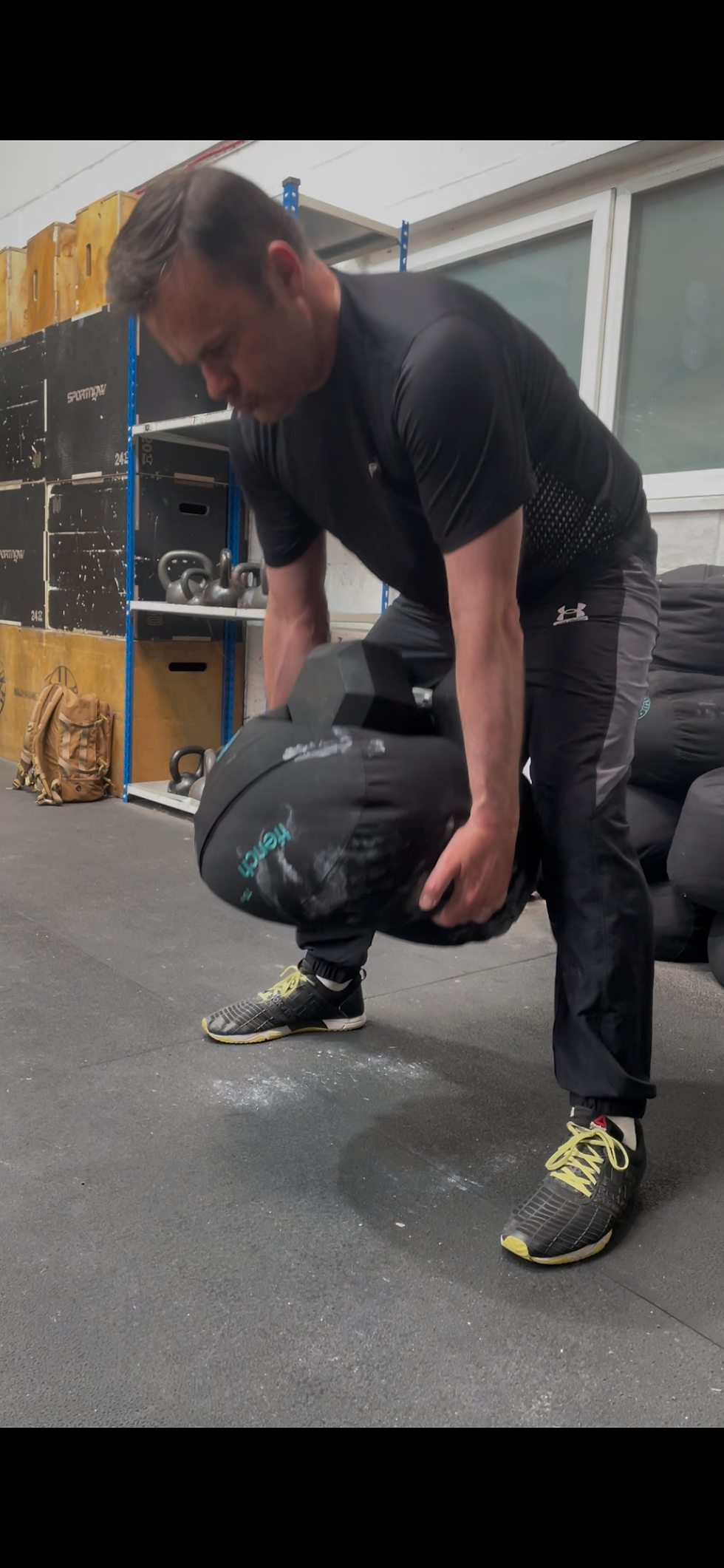
Neil Collins is a personal trainer and movement specialist based in Haywards Heath. With over 15 years of experience, he helps people overcome pain, improve the way they move, and build functional strength and impressive skills.


Comments